Contaminated soil removal after a heating oil release
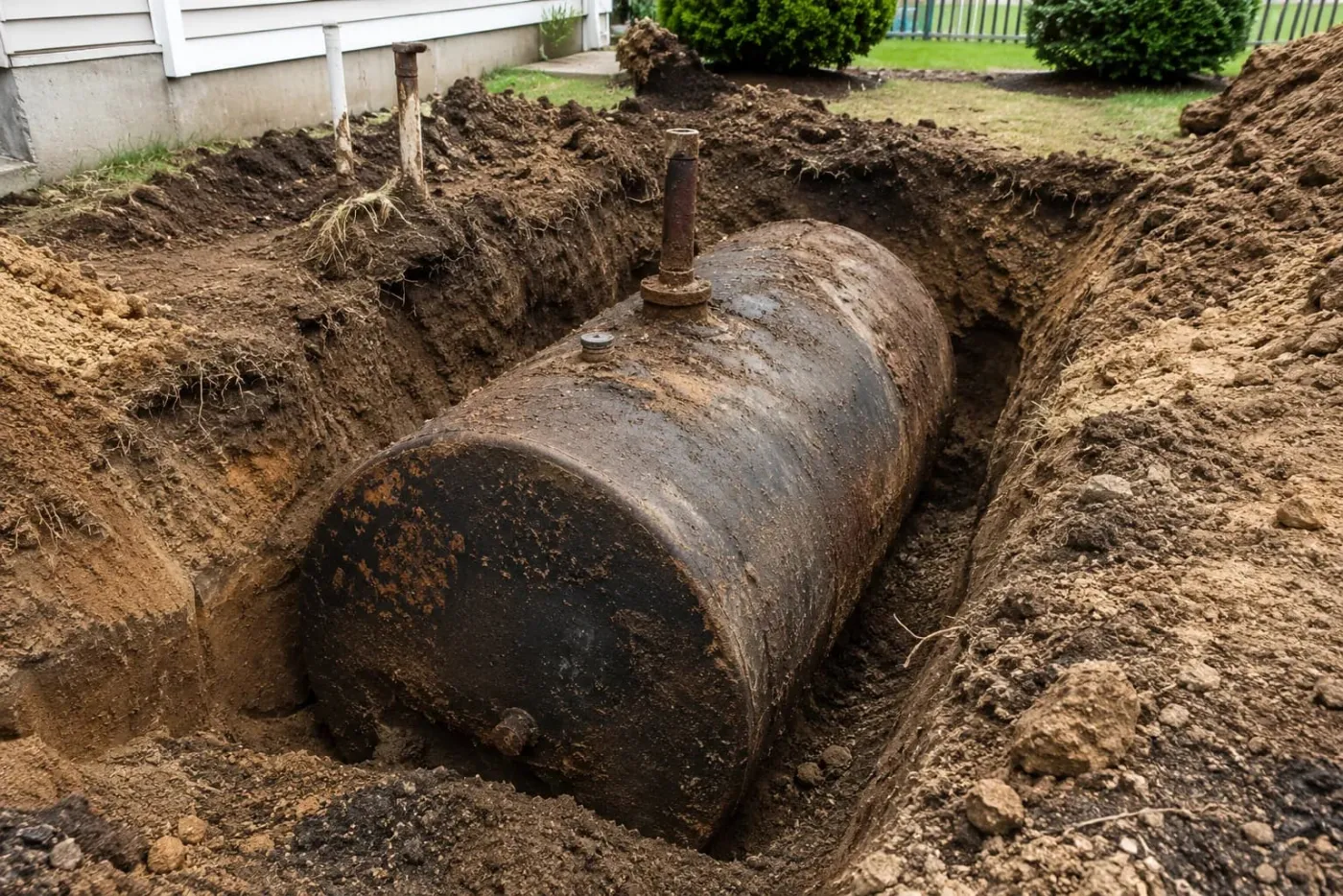
Somebody smells oil in the basement, or a tank comes out and the ground under it is black. Sometimes it shows up at a sale, when the buyer's inspector finds an old buried tank. Oil moves with the soil and the water, so the first question is how far it went.
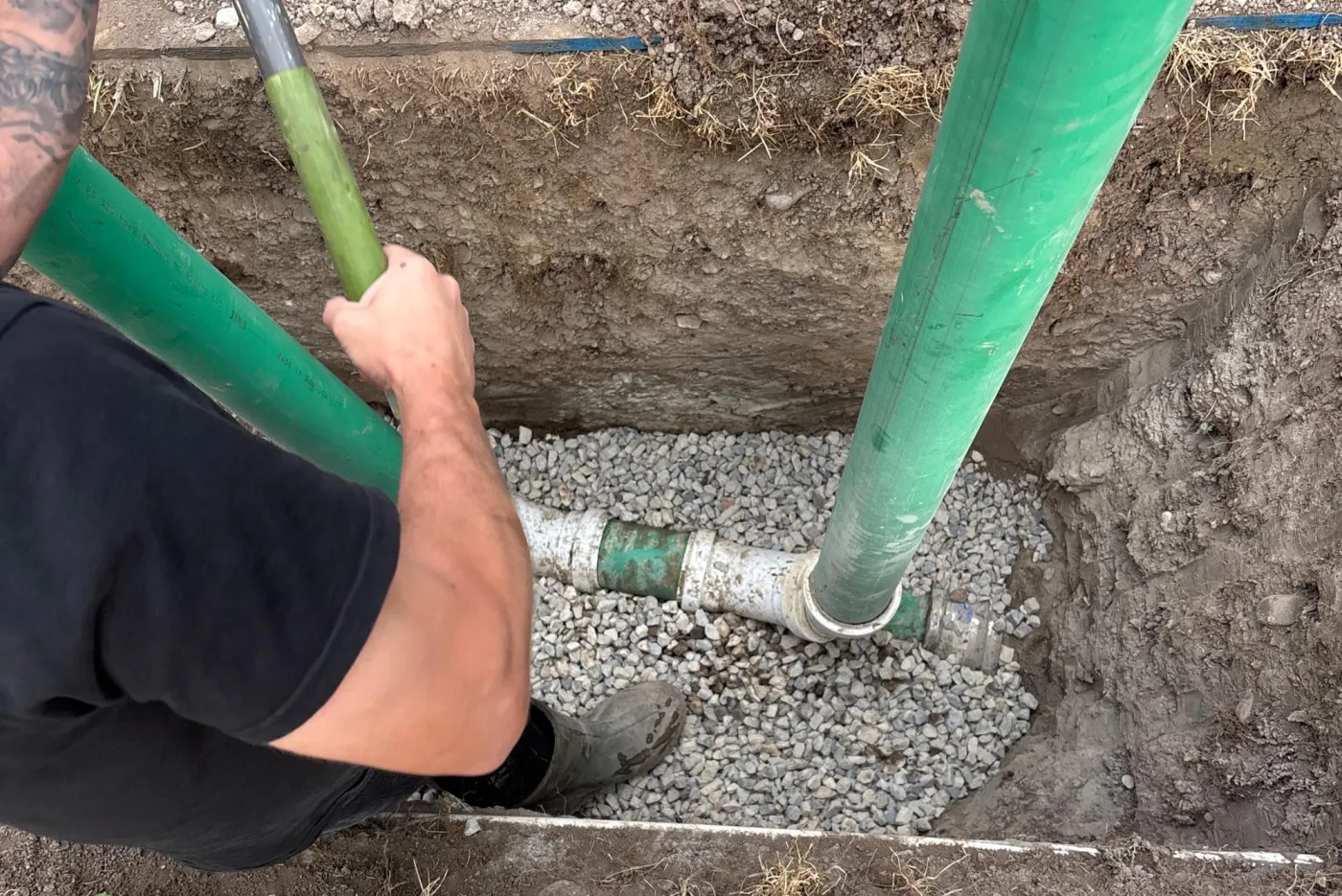
Your consultant answers that with probes, field readings and lab samples. We open the hole where they mark it and pull the stained soil out. They keep checking the sidewalls and the bottom as the dig goes deeper. It stops when their results say the ground is clean.
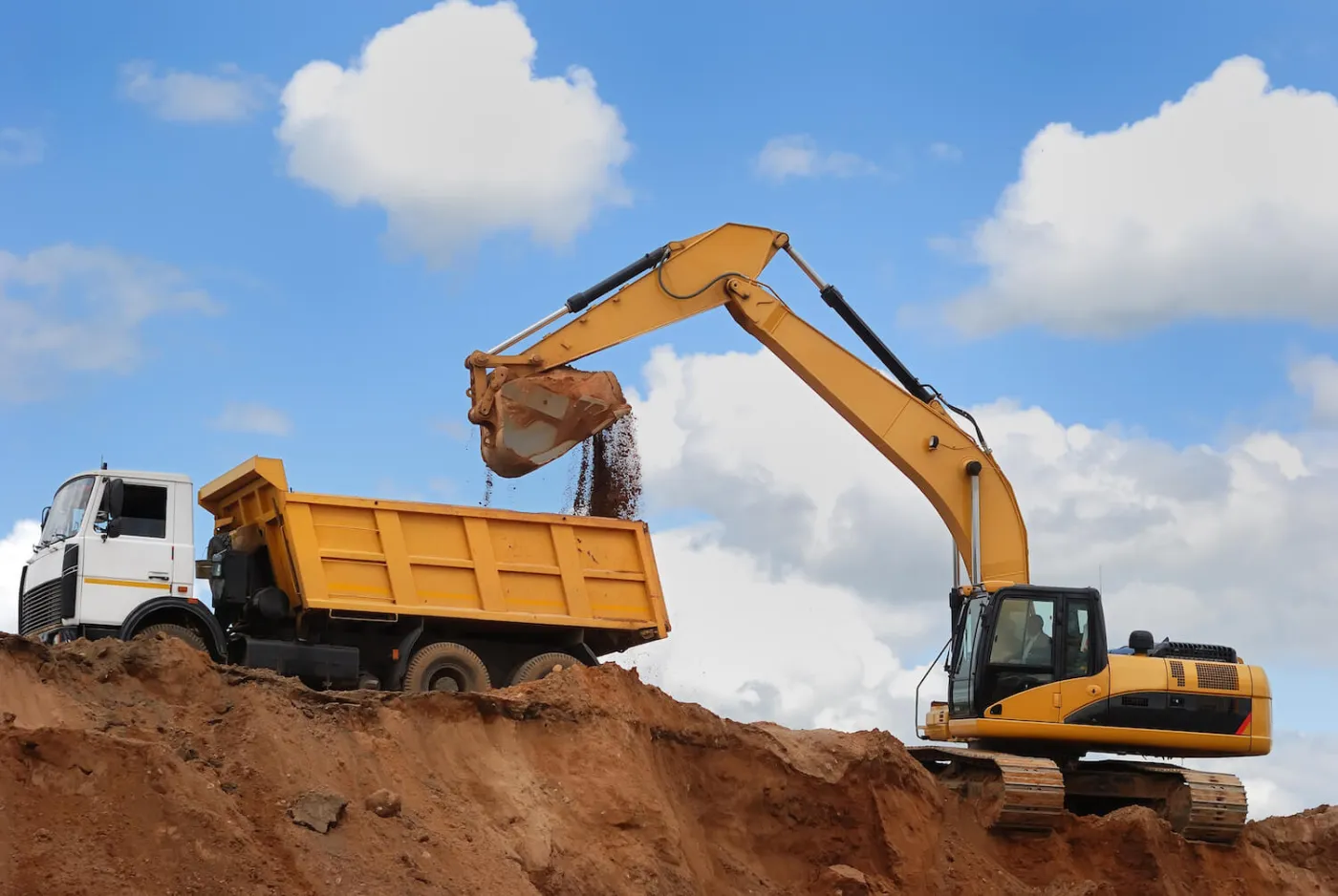
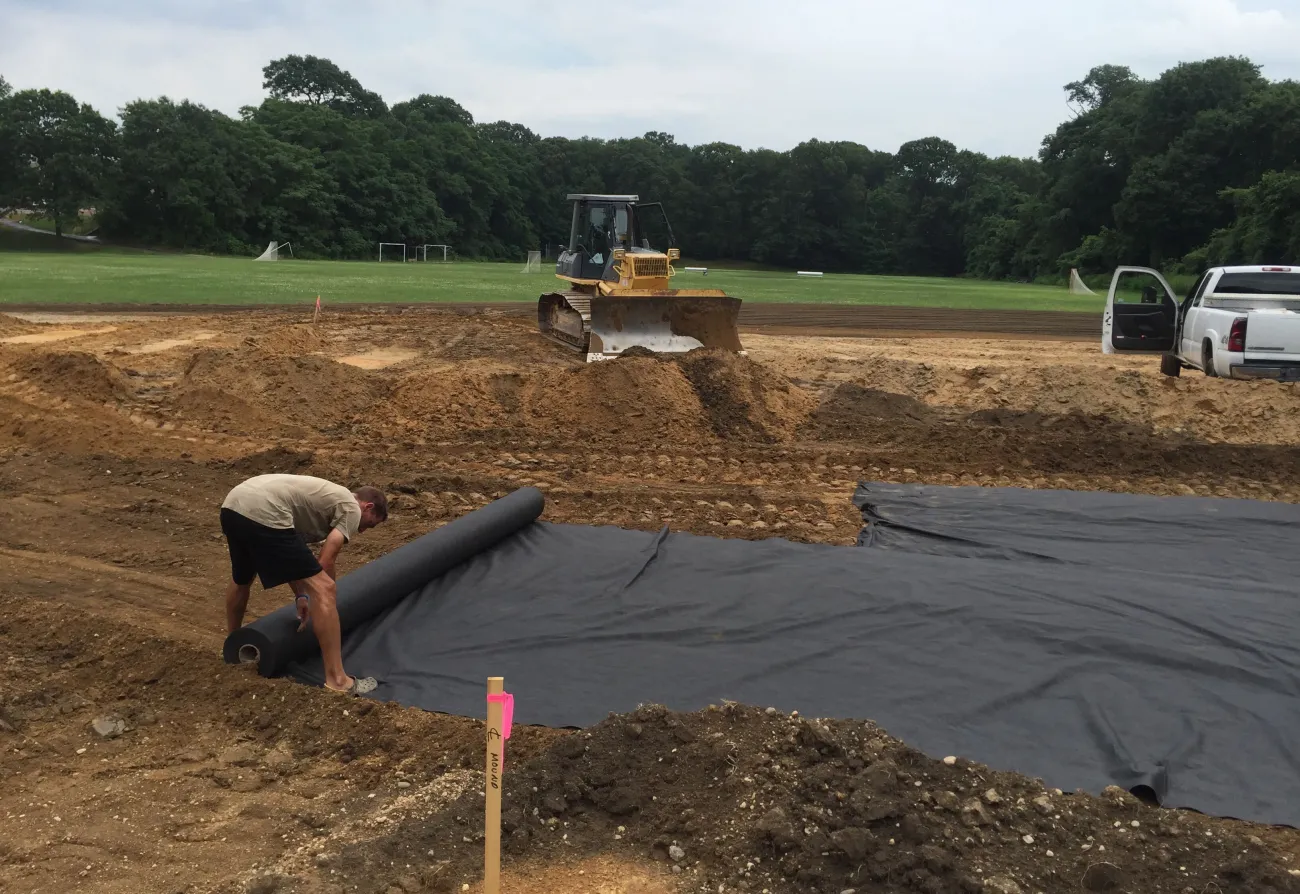
Soil headed off site gets loaded straight into trucks when the plan allows. If results are still pending, it sits on plastic sheeting and stays covered. New York guidance, for one, treats excavated petroleum soil as industrial waste with hauling and disposal rules.
Heating oil spill cleanup in Pennsylvania, New Jersey and New York
Every cleanup runs under a state program, and the rules change across the river. Your consultant knows which one applies and handles the reports. Sawkill Environmental is the excavation contractor on the job, licensed and insured, PA HIC #PA225040. The testing and the state sign off stay with them.
In Pennsylvania, DEP asks that heating oil releases be reported to the regional DEP office. Storage tank cleanups are then carried out under the state's Act 2 standards. Pennsylvania also runs a reimbursement program for eligible underground heating oil tank cleanup costs. Ask your consultant whether your release qualifies.
New Jersey covers home heating oil tanks under the unregulated heating oil tank program at NJDEP. A discharge is called in to the state hotline, and the owner hires a licensed site remediation professional. New York takes petroleum spill reports at the DEC spill hotline, 1-800-457-7362. We cross the river from Milford for this work, the same as we do across the towns we cover.
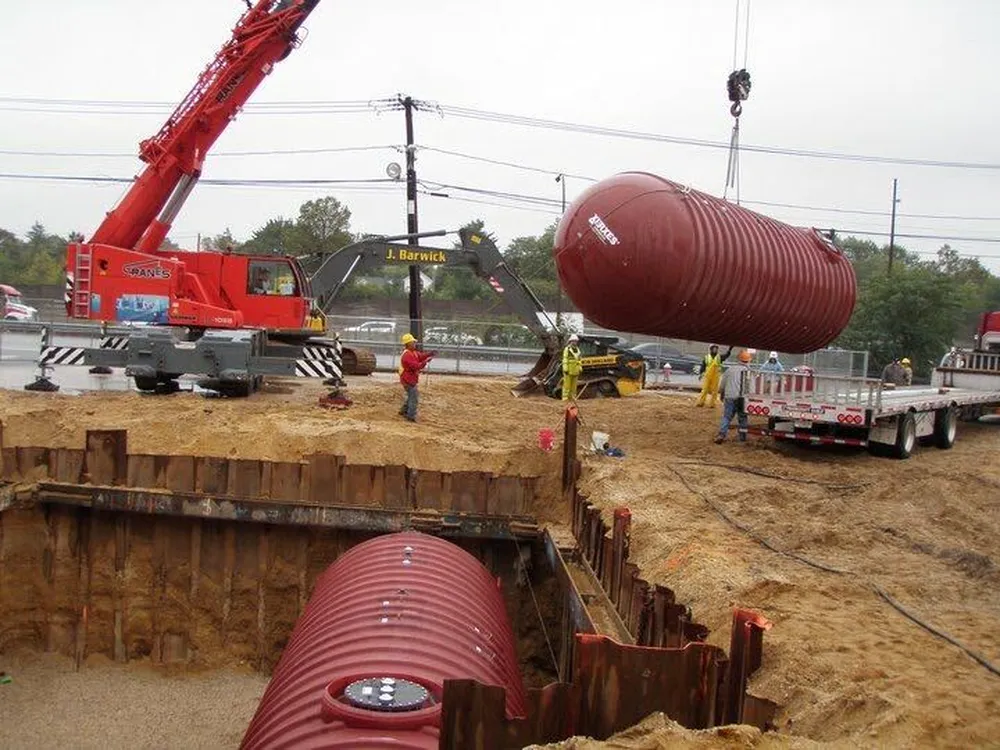
Environmental excavation, clean fill and site restoration
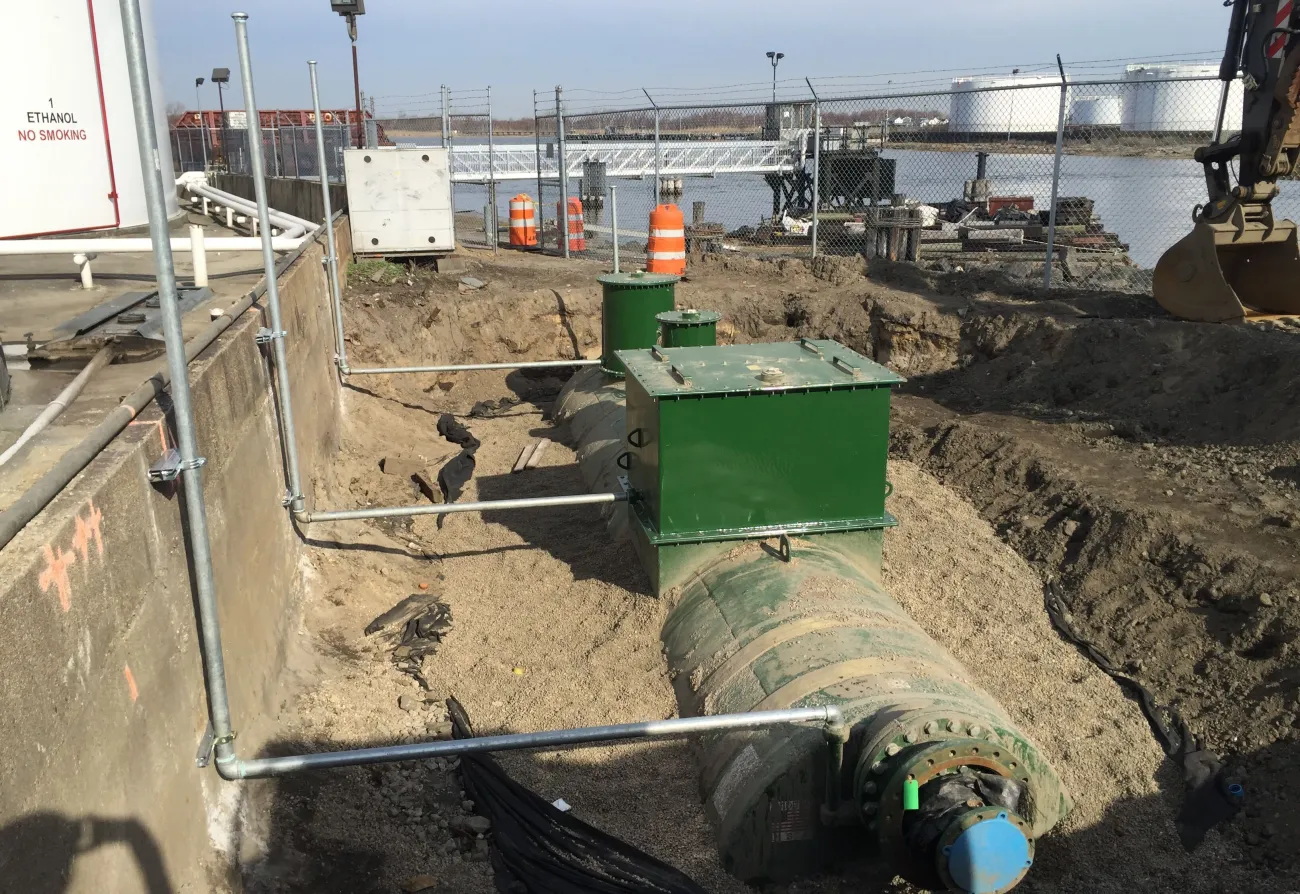
Before anything opens up, the buried utilities get marked. Pennsylvania uses PA One Call (811). New Jersey uses New Jersey One Call (811), and New York uses Dig Safely New York (811). Cleanups often sit tight against a house, so the hole is cut to keep the foundation supported.
Pike County ground makes the digging its own problem. Glacial till, boulders and shallow sandstone ledge sit under a lot of these lots. Rock gets broken out with a hammer when the contaminated soil runs down into it. Spring snowmelt raises the water table, and water in an open hole changes how the dig is staged.
Once your consultant clears the hole, clean fill goes back in lifts and gets compacted. Under anything that will carry weight, that compaction matters. Then topsoil, final grade and seed go over the top. If the yard needs more than a patch, we handle the regrading and site work too.